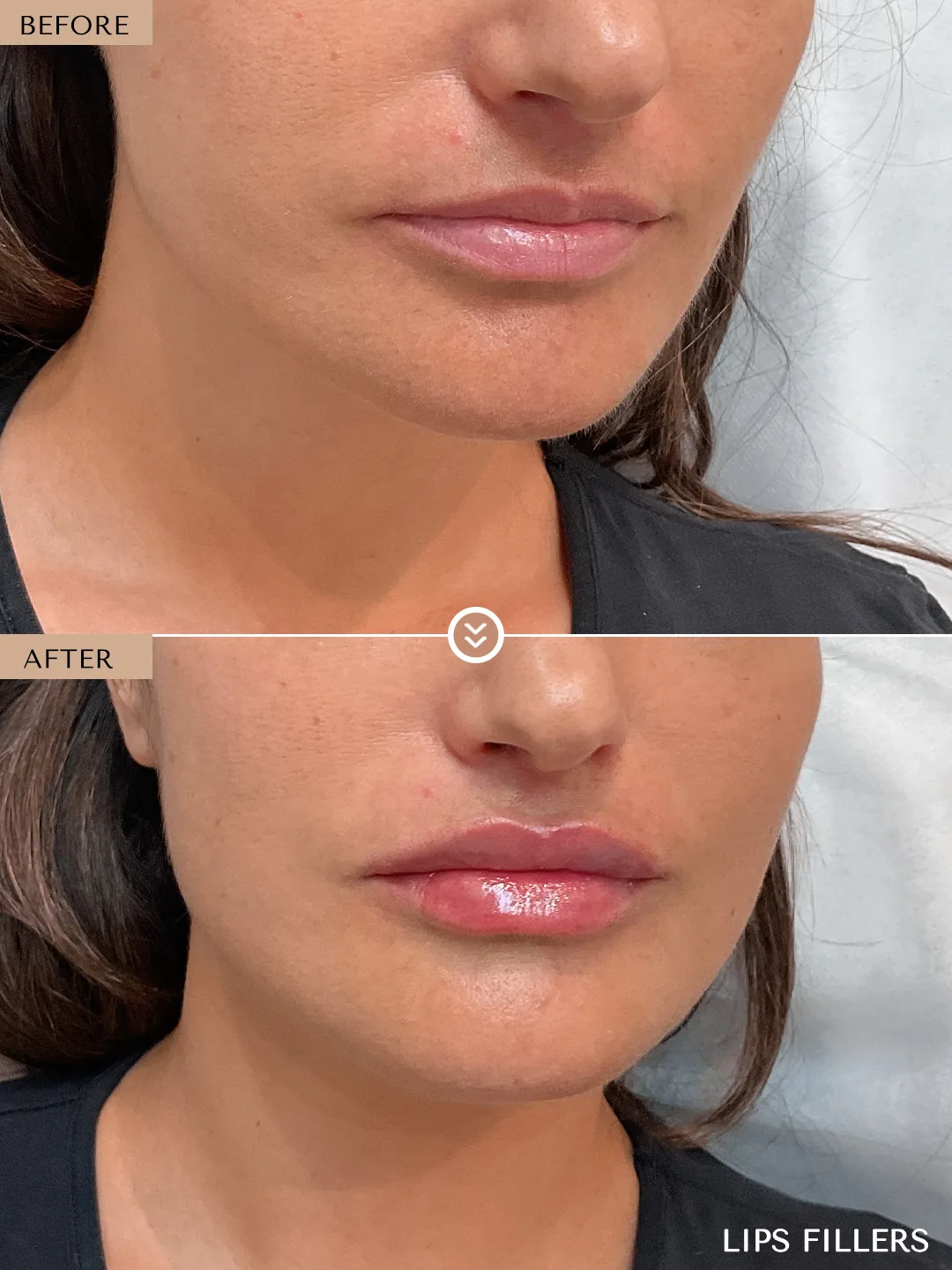
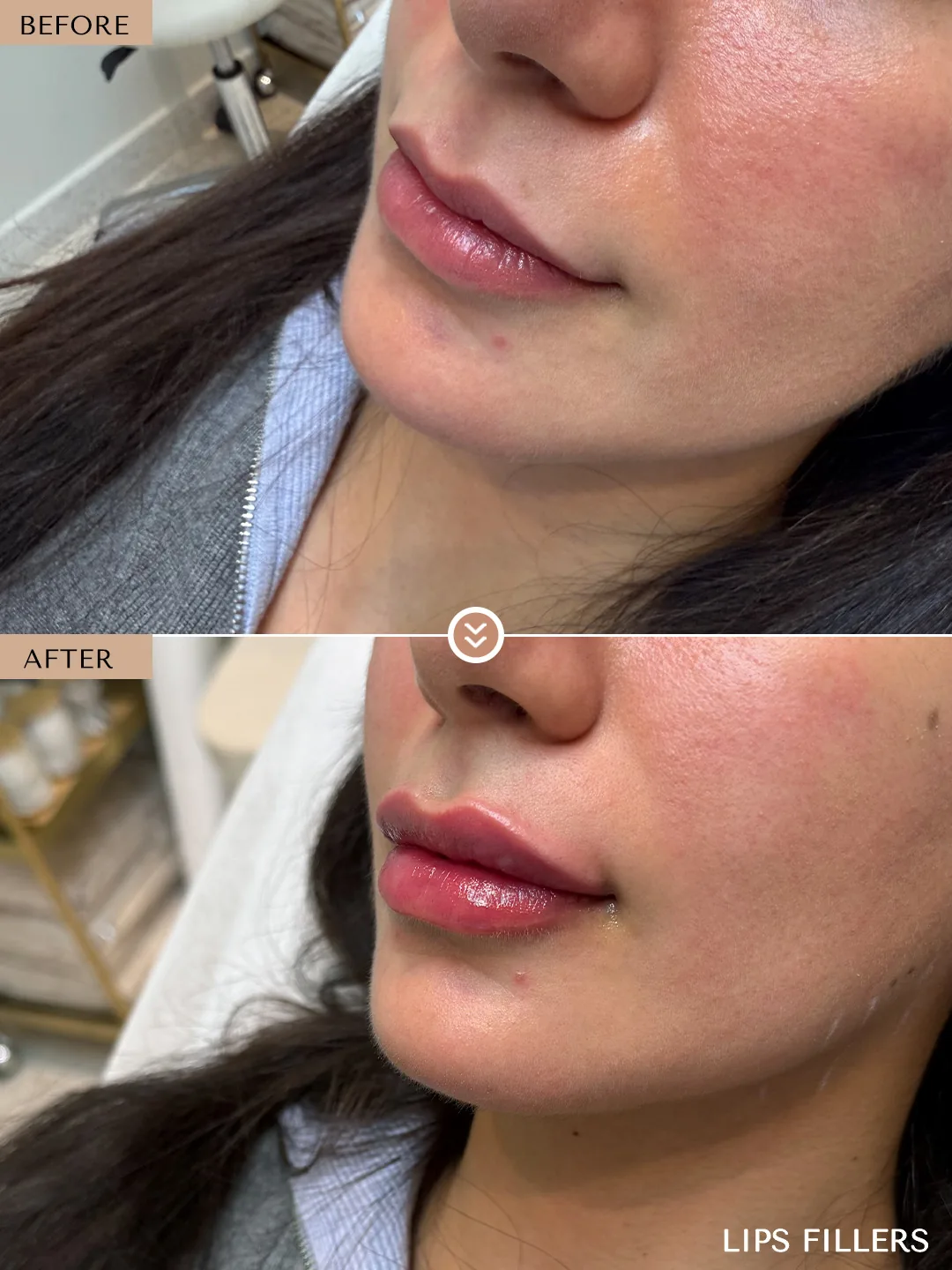
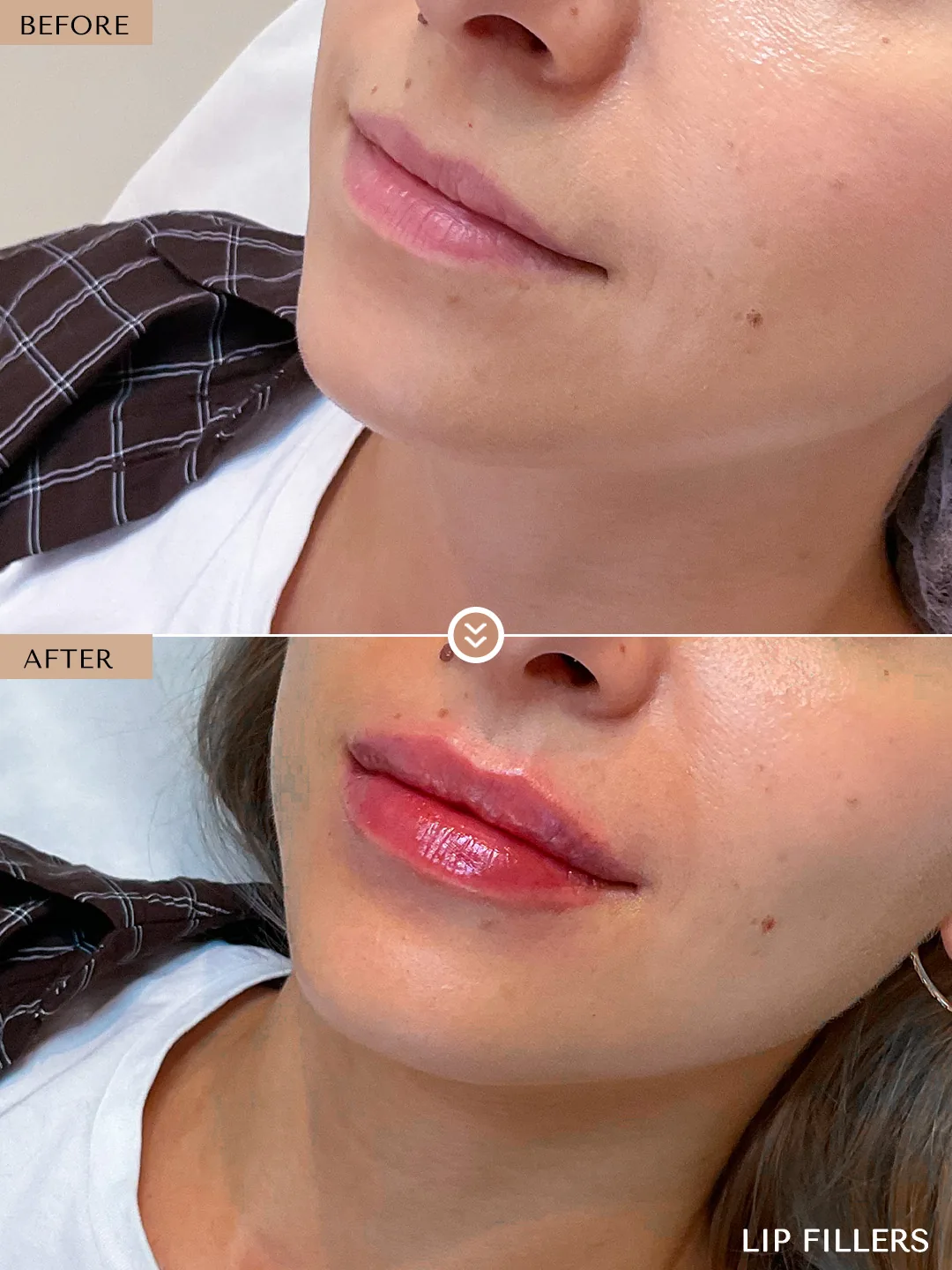
Product that has moved beyond the border, producing a shelf above the upper lip or a shadow visible in certain light. Lips that project forward of the face in profile. Asymmetry that never settled. Firmness or nodules. Or simply a mouth that has been topped up for years and no longer resembles the patient’s own.
Dissolving agents are not selective. They act on hyaluronic acid in the treated area, including product placed correctly and, to a degree, on the tissue’s own hyaluronic acid. Dissolving everything to correct one region frequently leaves a lip flatter and older-looking than before, and rebuilding then starts from a worse position.
There is also an allergy consideration with the enzyme itself, which is why history is taken and why the procedure is performed in a setting equipped to manage a reaction. This is a medical procedure, not a cosmetic undo.
Where removal is appropriate, it is often partial and performed across more than one session, with time between to assess what the lip actually looks like underneath. Multiple sessions are frequently needed where product is old or has migrated, and that is discussed at the outset.
Where treatment is recent, the correct first step is usually to wait. Product is still settling for two weeks and integrating for longer. Dissolving early risks removing something that would have looked correct.
After dissolving, the tissue needs a settling period before it can be honestly assessed. Rebuilding then follows the same sequence as any plan, structure first, staged, with reviews. Corrections take longer than first-time treatment because there is more to assess at every stage.
Extremely common, and not an obstacle. Where records are unavailable, assessment proceeds on examination and the plan is built more conservatively as a result. Note that non-hyaluronic-acid products cannot be dissolved, which is one reason establishing what is present matters.