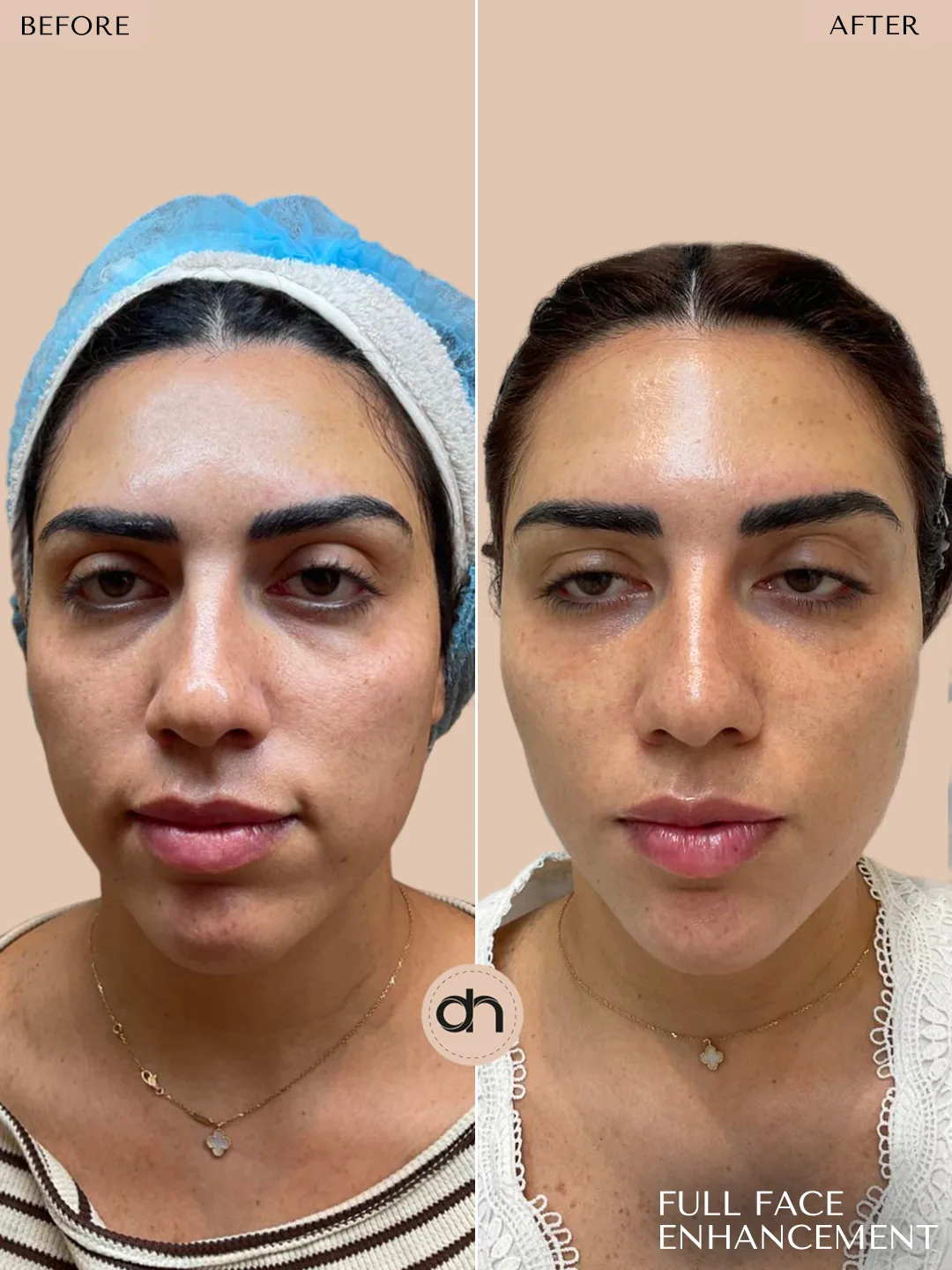
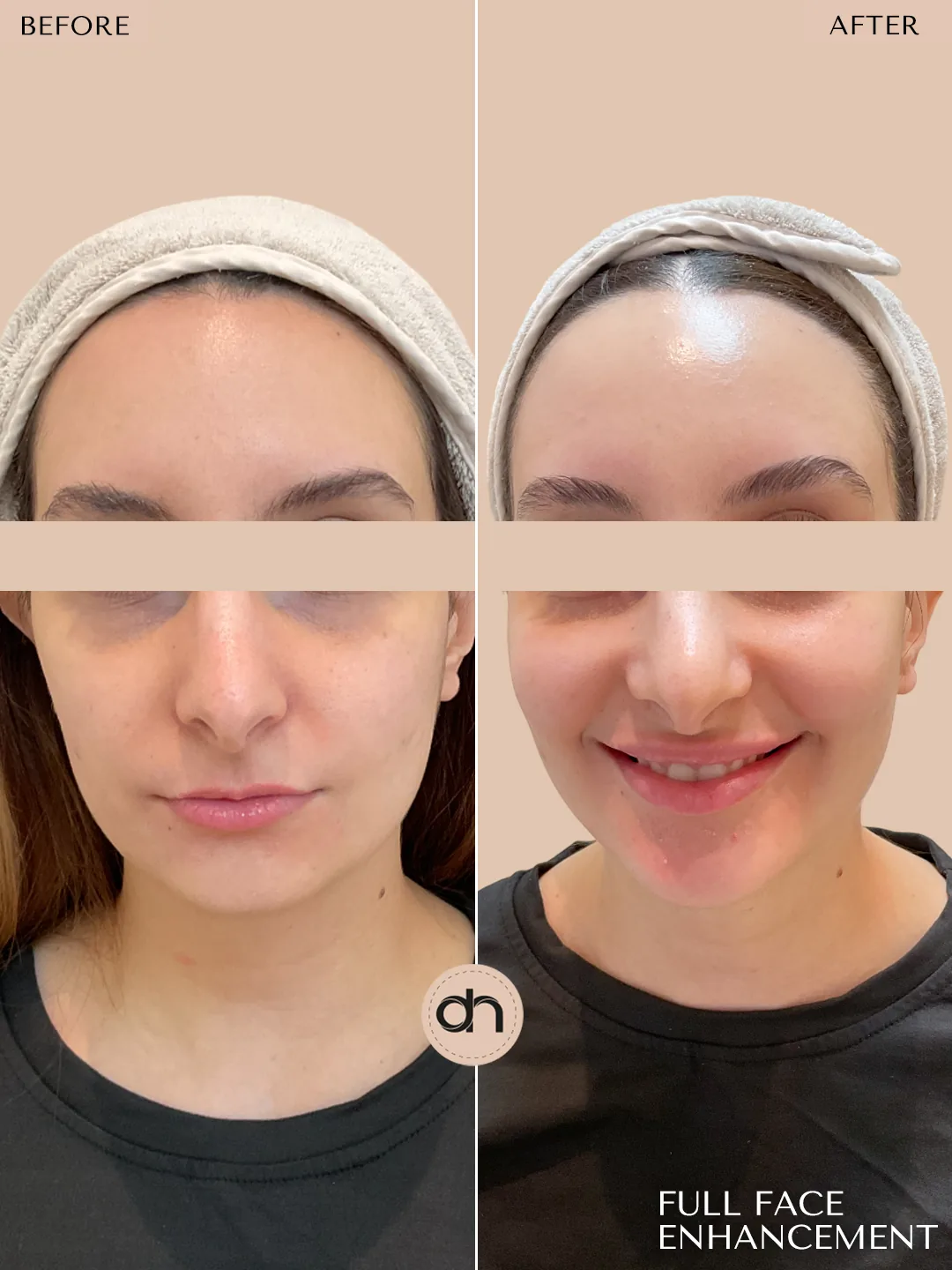
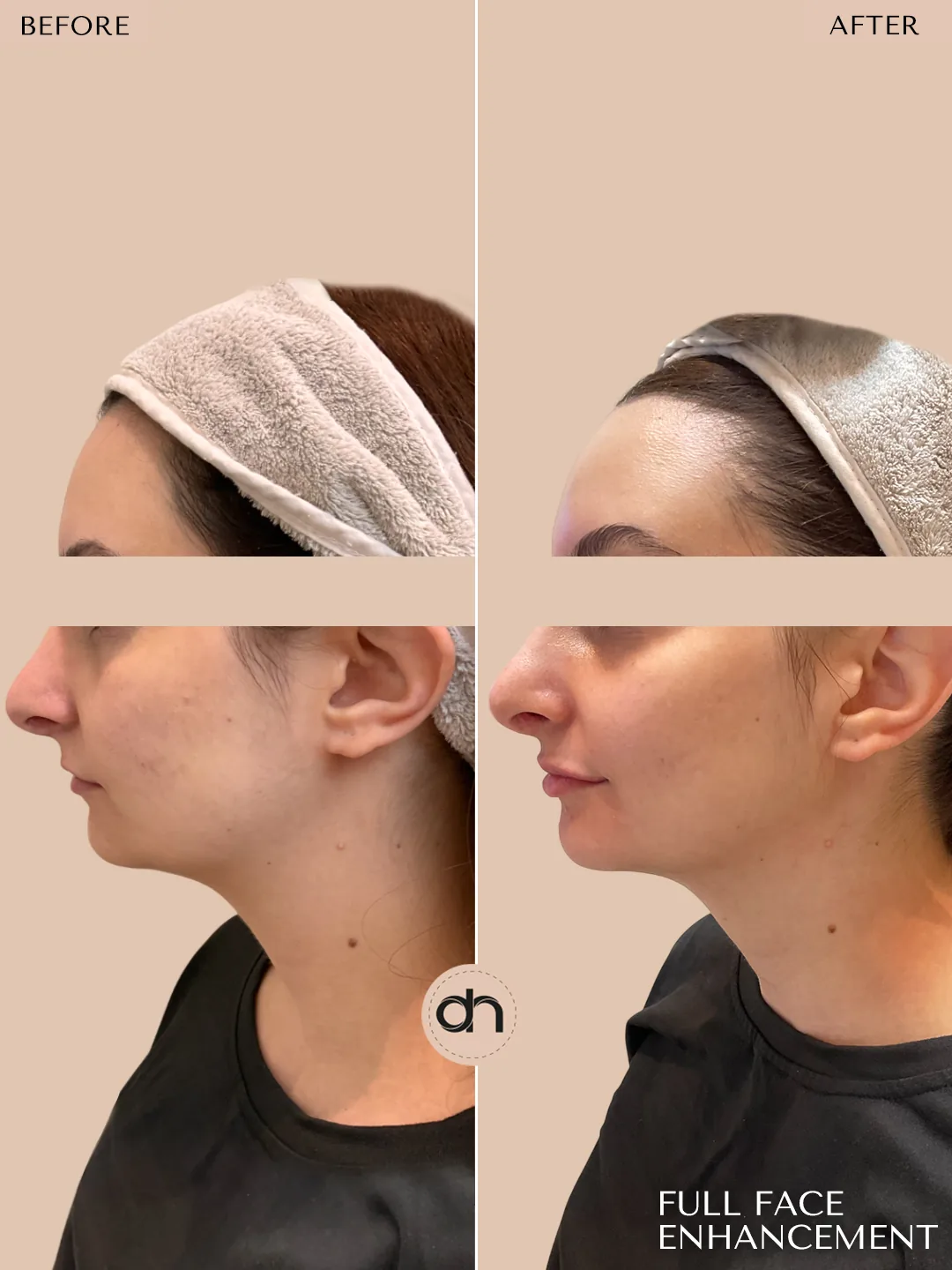
Why is it important to identify the type of pigmentation first?
Pigmentation Treatment is considered for Sun spots, Post-inflammatory pigmentation, Uneven tone, Freckling, Melasma, Dull, mottled complexion. Treatment proceeds only when examination shows that the concern fits the mechanism of the procedure.
How do pigment treatments target discoloration without treating every brown mark the same way?
Treatment may target melanin with light or laser energy, regulate pigment production with topical agents, or use chemical exfoliation to accelerate removal of pigmented surface cells. The correct mechanism depends on the diagnosis.
When should pigmentation begin to fade?
Expected timing: Progressive. The immediate post-treatment appearance is not used as the final measure; review is scheduled for the appropriate response window.
Why can pigmentation return after successful treatment?
Ongoing pigment control and sun protection matter. Pigment can recur when triggers such as sun exposure, inflammation or hormonal influence remain, so response is reviewed over time.
How does the pigment diagnosis affect the number of sessions?
Often a program. The plan is adjusted according to pigment type, skin response and recurrence risk rather than a standard session count.
Can pigmentation treatment combine skincare, peels and laser?
Some patients benefit from combining Pigmentation Treatment with treatments that address a different layer. Depending on the concern, Dr. Nivine may consider Cosmelan Peel, BBL, PicoWay Pigmentation Laser, Chemical Peels. Dr. Nivine combines treatments only when the reason for each step is clinically clear.