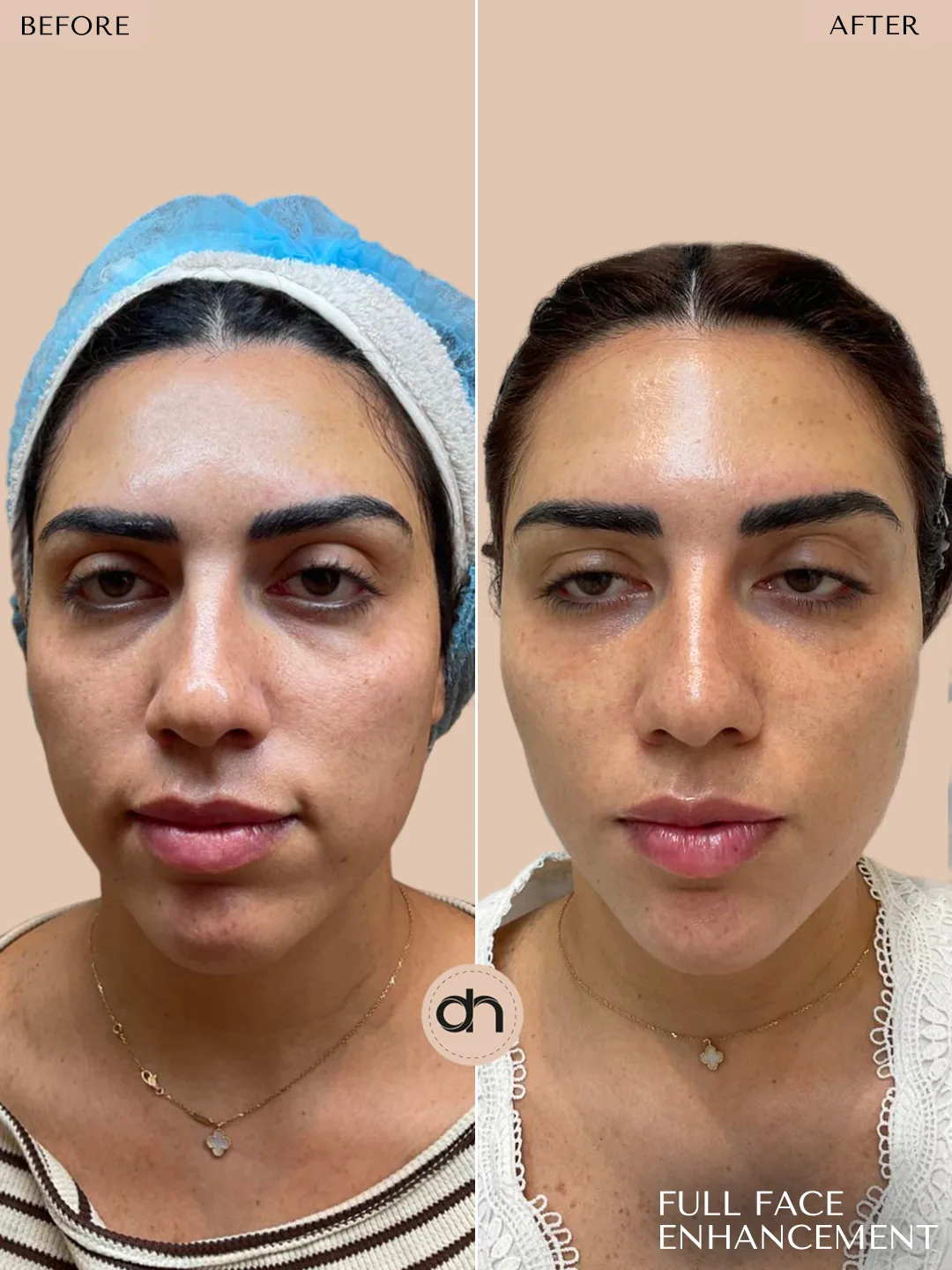
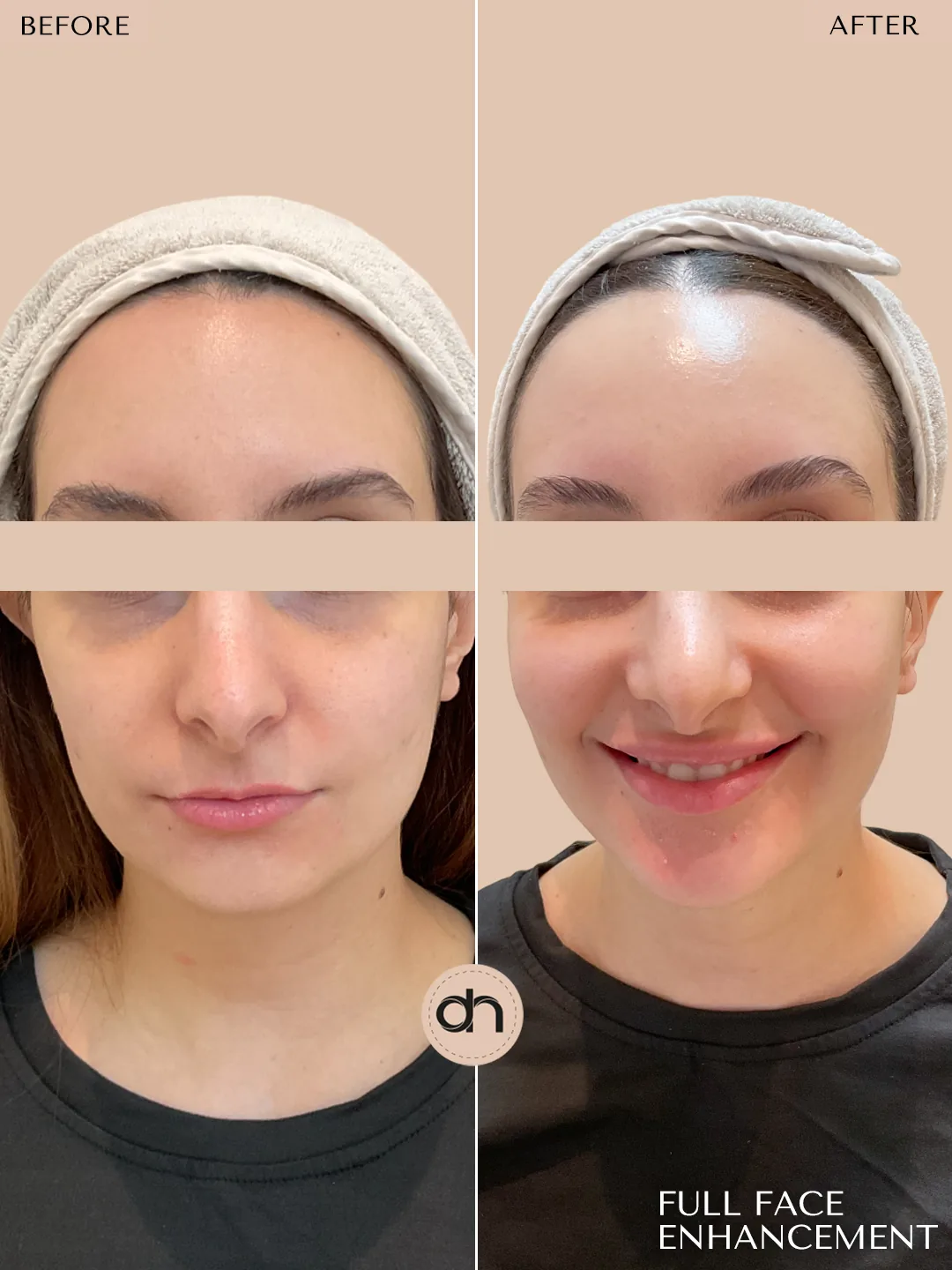
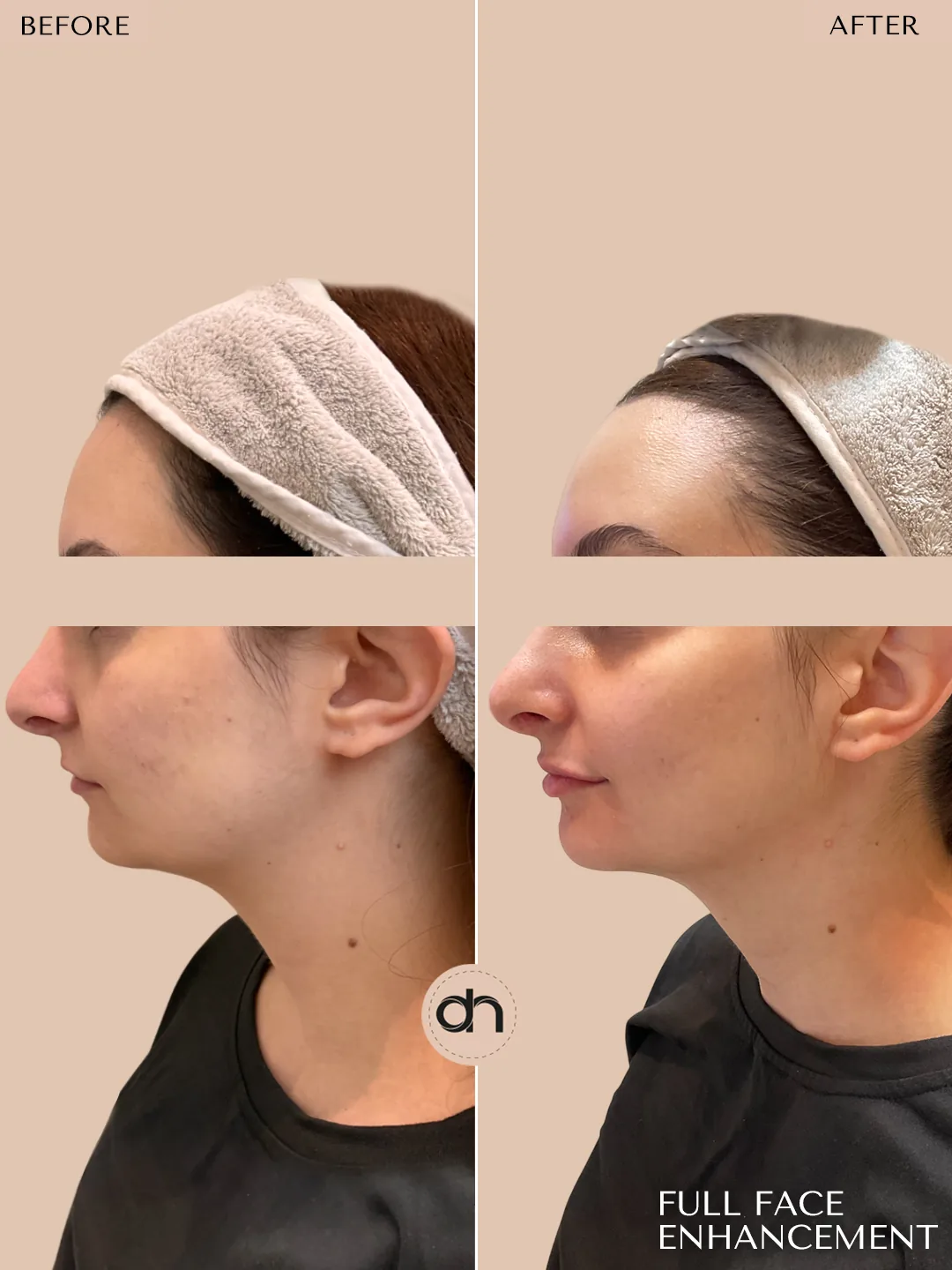
What do patients mean when they ask for Salmon DNA treatment?
Salmon DNA Therapy is considered for Fine lines, Dehydration, Crepey skin, Delicate under-eye skin in suitable patients, Dullness, Overall skin resilience. Suitability depends on confirming that the underlying cause matches what this treatment is designed to influence.
How do polynucleotide-based treatments aim to support skin repair?
The term “salmon DNA” is used for polynucleotide or PDRN-based products derived from purified DNA fragments. Formulation and route differ between products. Proposed effects relate to hydration and repair signaling, while the strength of clinical evidence depends on the exact product and indication.
When should skin-quality changes become noticeable?
Expected timing: Gradual. The true outcome is reviewed once the expected settling or biological response has had time to develop.
What can happen at the injection sites afterwards?
Small bumps or bruising may occur. Post-treatment effects are influenced by the strength of treatment, anatomy and individual recovery. The clinic reviews treatment-specific care and the symptoms that should prompt medical contact.
How long can the regenerative effect be maintained?
Varies by product and course. How long improvement remains visible depends on skin biology, sun exposure, the original condition and the treatment intensity used.
Is Salmon DNA therapy usually planned as a course?
Typical course: Often a series. The course changes according to diagnosis and progress, so not every patient is assigned the same number of sessions.
Can it be combined with other skin-rejuvenation treatments?
Some patients benefit from combining Salmon DNA Therapy with treatments that address a different layer. Depending on the concern, Dr. Nivine may consider Rejuran, Plinest Polynucleotides, AquaGold, Morpheus8. A second modality is included only when it addresses something the first treatment cannot.