Red stretch marks
Newer stretch marks are often red or pink.
They generally have more active vascular and inflammatory characteristics and may respond differently to treatment.
Dubai, United Arab Emirates · Arabic, English, French
Advanced stretch mark improvement with Dr. Nivine Cheaito.
Stretch marks are changes within the deeper structure of the skin that can develop after pregnancy, growth, weight changes, hormonal changes or rapid changes in body size.
They cannot simply be exfoliated away. Stretch mark treatment with Dr. Nivine Cheaito in Dubai focuses on improving texture, color and skin quality through controlled skin remodeling.
Stretch marks, medically known as striae, develop when the skin stretches or changes faster than its supporting tissue can adapt.
They commonly appear after:
Stretch marks may begin red, pink or purple and gradually become lighter or silvery over time.
Newer stretch marks are often red or pink.
They generally have more active vascular and inflammatory characteristics and may respond differently to treatment.
Older stretch marks usually become pale, white or silvery.
These established marks often require greater emphasis on collagen remodeling and improvement in texture.
Dr. Nivine adjusts treatment according to the age, color and depth of the stretch marks.
Creates controlled micro-injuries designed to stimulate skin repair and collagen remodeling.
Radiofrequency microneedling combines controlled needling with radiofrequency energy and may be considered for selected stretch marks where texture and tissue remodeling are priorities.
Selected fractional laser treatments can stimulate remodeling within the skin and may help improve the texture and appearance of stretch marks.
Platelet rich plasma may be incorporated into selected regenerative treatment protocols, particularly as part of a combination approach.
The appropriate treatment depends on skin tone, stretch mark type and pigmentation risk.
Stretch marks should not be treated using one standard protocol.
Dr. Nivine evaluates:
This is particularly important in Dubai's diverse patient population, where treatment settings must be selected carefully according to skin type.
Stretch mark treatment usually requires a course rather than a single procedure.
The number of sessions depends on:
Improvement develops gradually as the skin remodels.
No treatment can guarantee complete removal.
The realistic goal is to make stretch marks less visible by improving their texture, color and integration with the surrounding skin.
Established white stretch marks may require more treatment than newer marks.
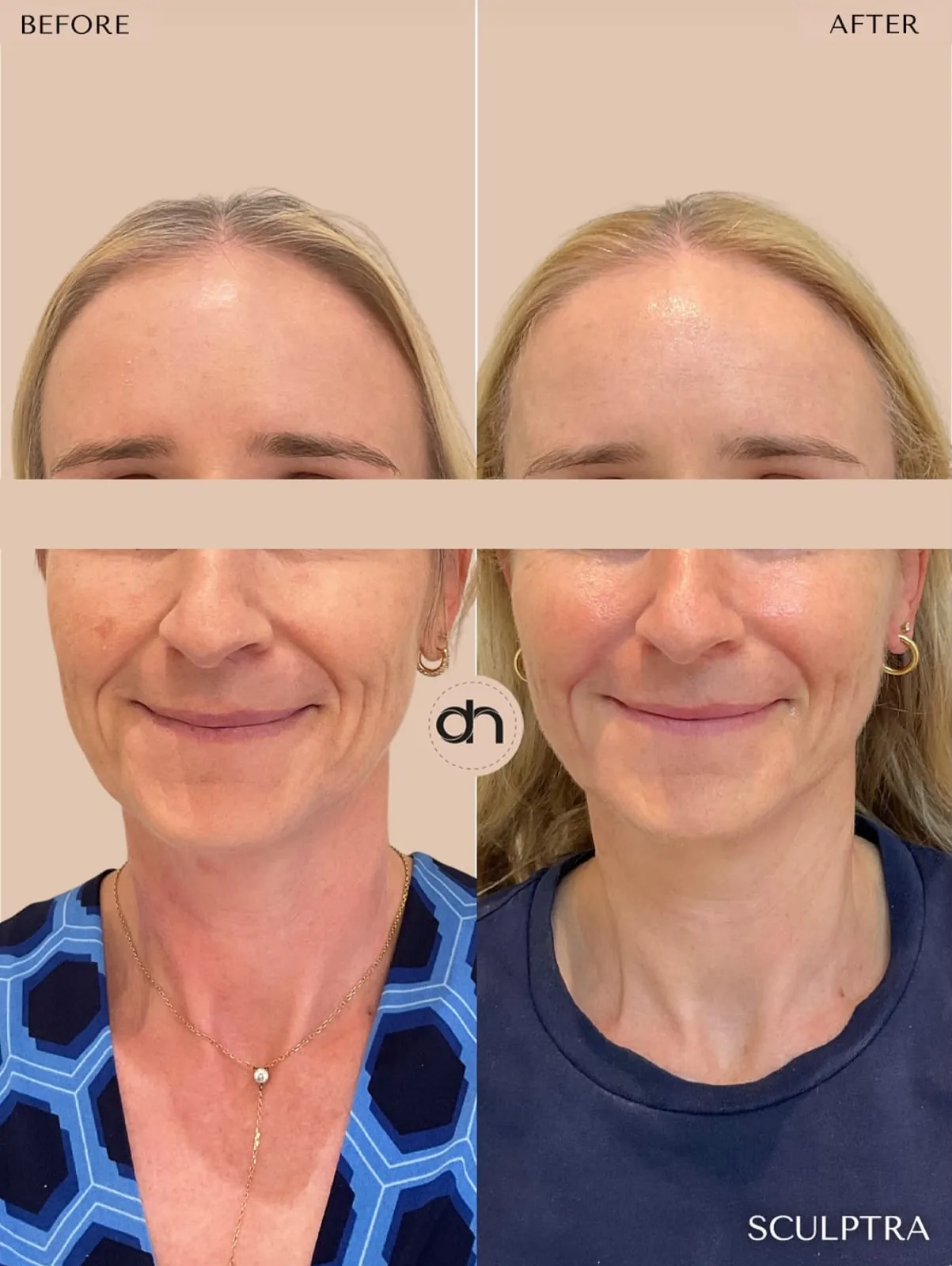
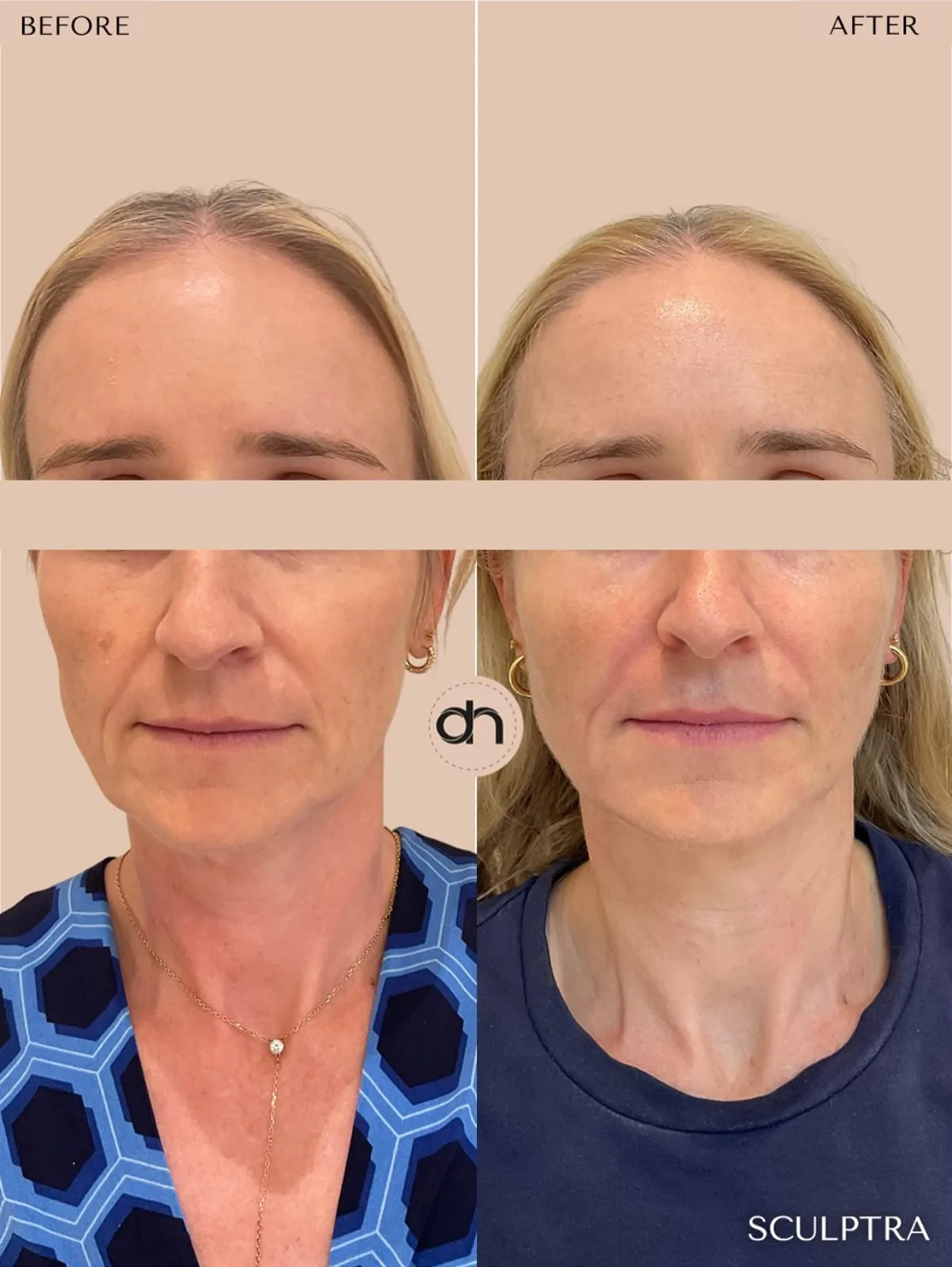
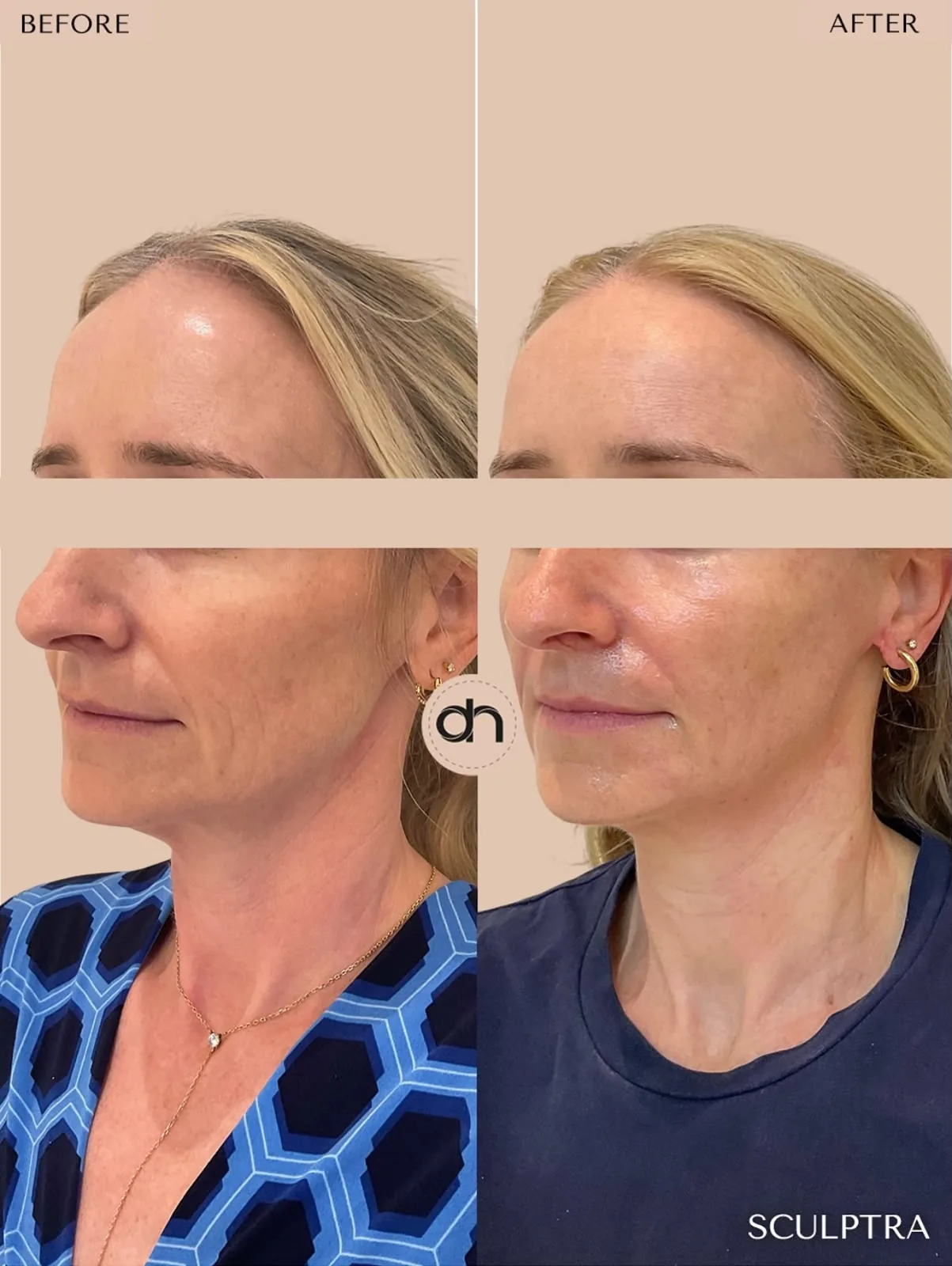
Individual results vary. Photographs are of Dr. Nivine’s own patients, shown with written consent and unretouched.
There is no single best treatment. Microneedling, radiofrequency microneedling and selected fractional lasers are commonly considered depending on stretch mark type and skin tone.
Morpheus8 may be considered for selected patients because it combines microneedling with radiofrequency to stimulate tissue remodeling.
Microneedling can improve the appearance of stretch marks by stimulating controlled skin remodeling. Multiple sessions are usually required.
Yes. Established white stretch marks may improve, although they are generally more difficult to treat than newer red or pink marks.
Usually not. Treatment aims to reduce their visibility and improve texture rather than promise complete removal.
The number varies according to the age, depth, area and treatment selected. A treatment course is commonly required.
Stretch mark treatment is about improving damaged skin structure, not promising to erase it. Dr. Nivine Cheaito creates an individualized treatment plan based on the age, color and texture of the stretch marks and the characteristics of the surrounding skin.