Recovery and aftercare
Recovery after M-shape lip enhancement is similar to other lip filler treatment, with temporary swelling, tenderness or bruising. The border and cupid’s bow are reassessed after swelling settles.
Dubai, United Arab Emirates · Arabic, English, French

A defined cupid’s bow is a question of border and shape, not of size. The M is created by supporting the peaks and the philtral columns, not by filling the body of the lip.
A defined cupid’s bow is a question of border and shape, not of size. The M is created by supporting the peaks and the philtral columns, not by filling the body of the lip.
The M describes the line across the top of the upper lip: two peaks at the cupid’s bow, a defined dip between them, and a clean vermilion border carrying the shape outward. It is a structural feature. Adding volume to a lip with a soft border tends to blur the M rather than build it.
The technique is precise and conservative. Small amounts of product support the philtral columns and define the border, with the body of the lip left largely alone unless volume is genuinely missing.
Over-defining the M is one of the most recognisable signs of treated lips. Dr. Nivine builds the shape in small stages, reviewing between sessions, because a border that is slightly under-defined ages well and one that is over-defined does not.
Definition is a border problem. Volume rarely solves it.
Recovery after M-shape lip enhancement is similar to other lip filler treatment, with temporary swelling, tenderness or bruising. The border and cupid’s bow are reassessed after swelling settles.
The true shape is assessed once swelling has settled. Additional filler is considered only when definition has softened enough to justify it.
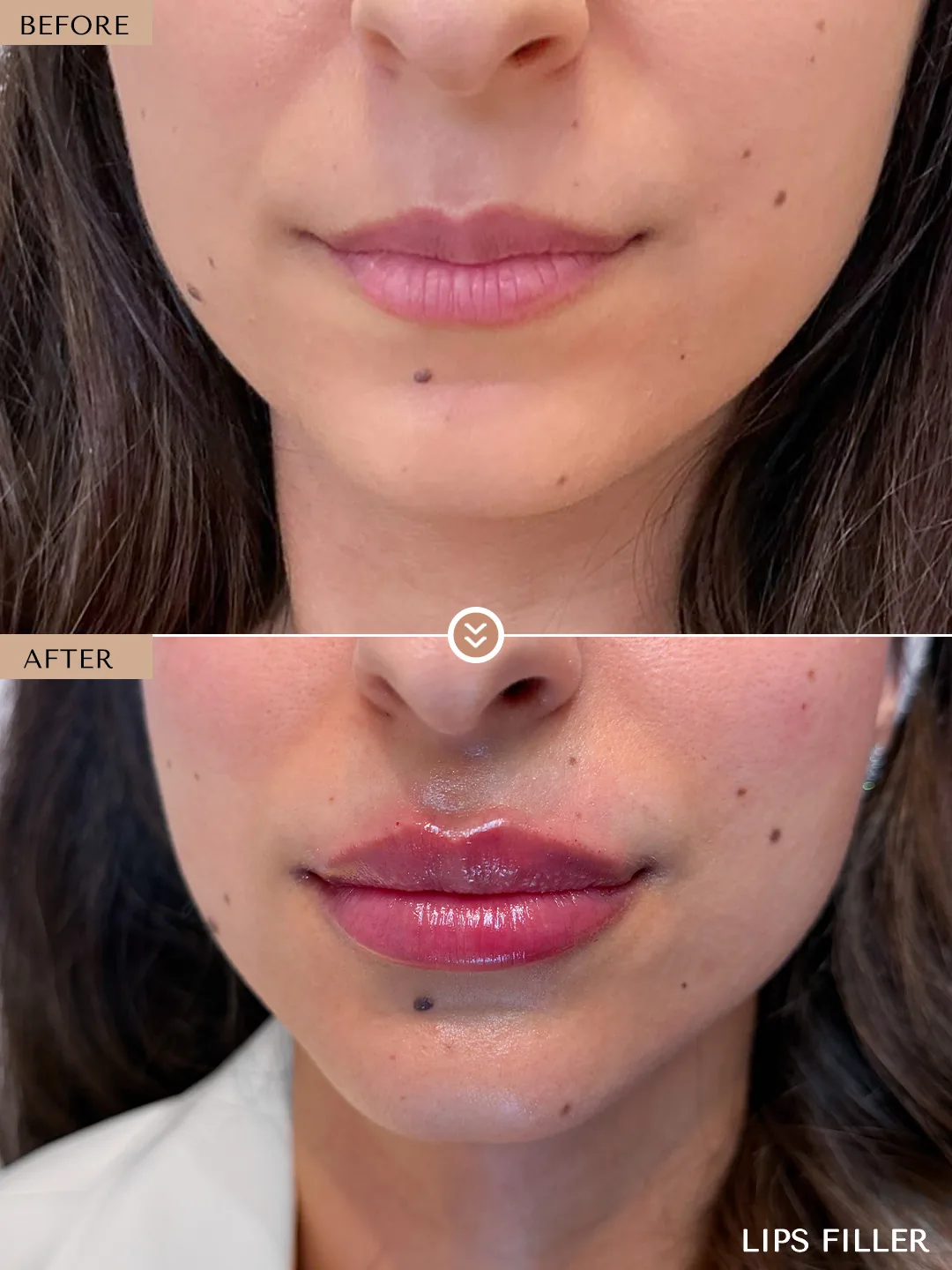
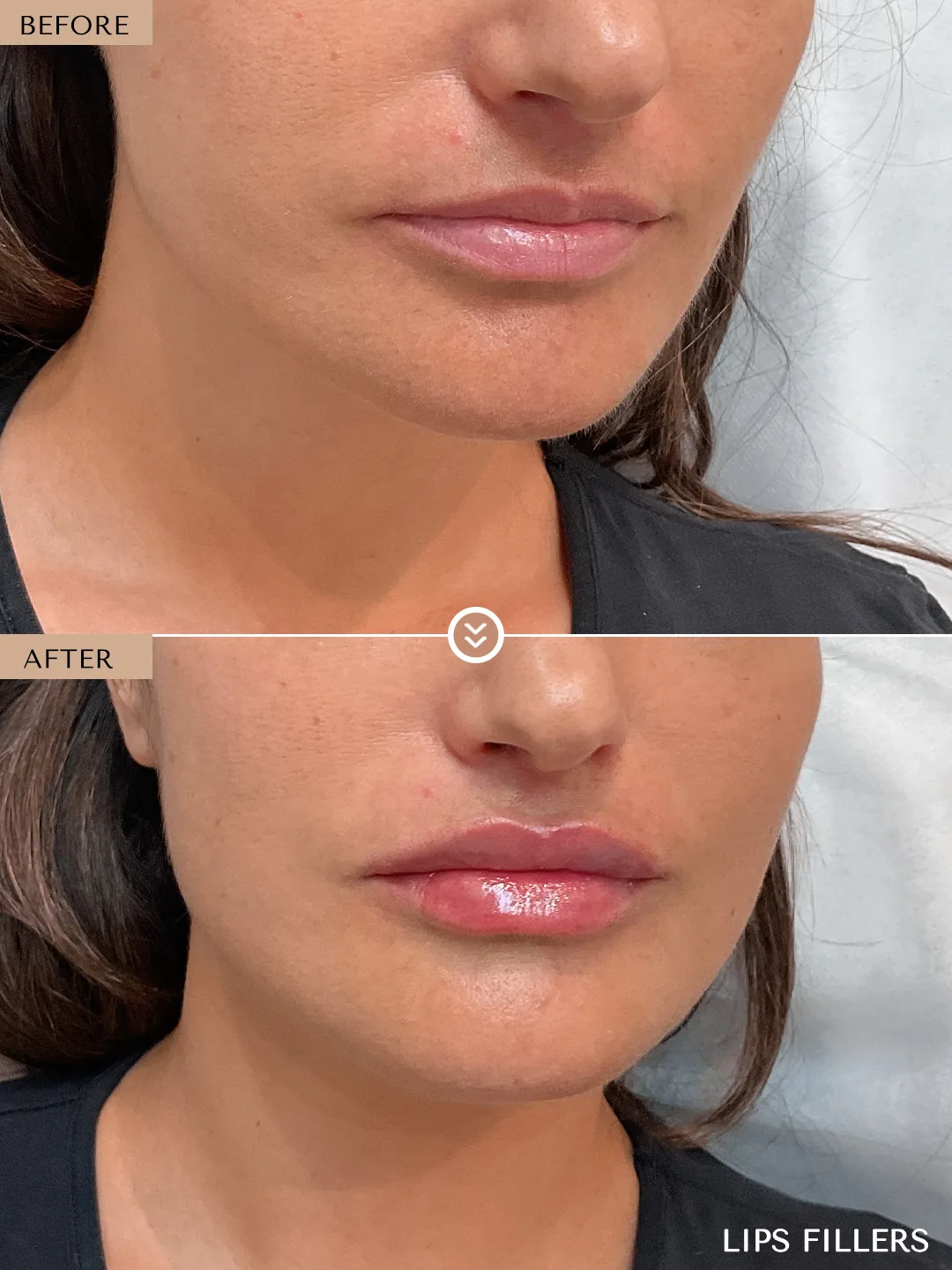
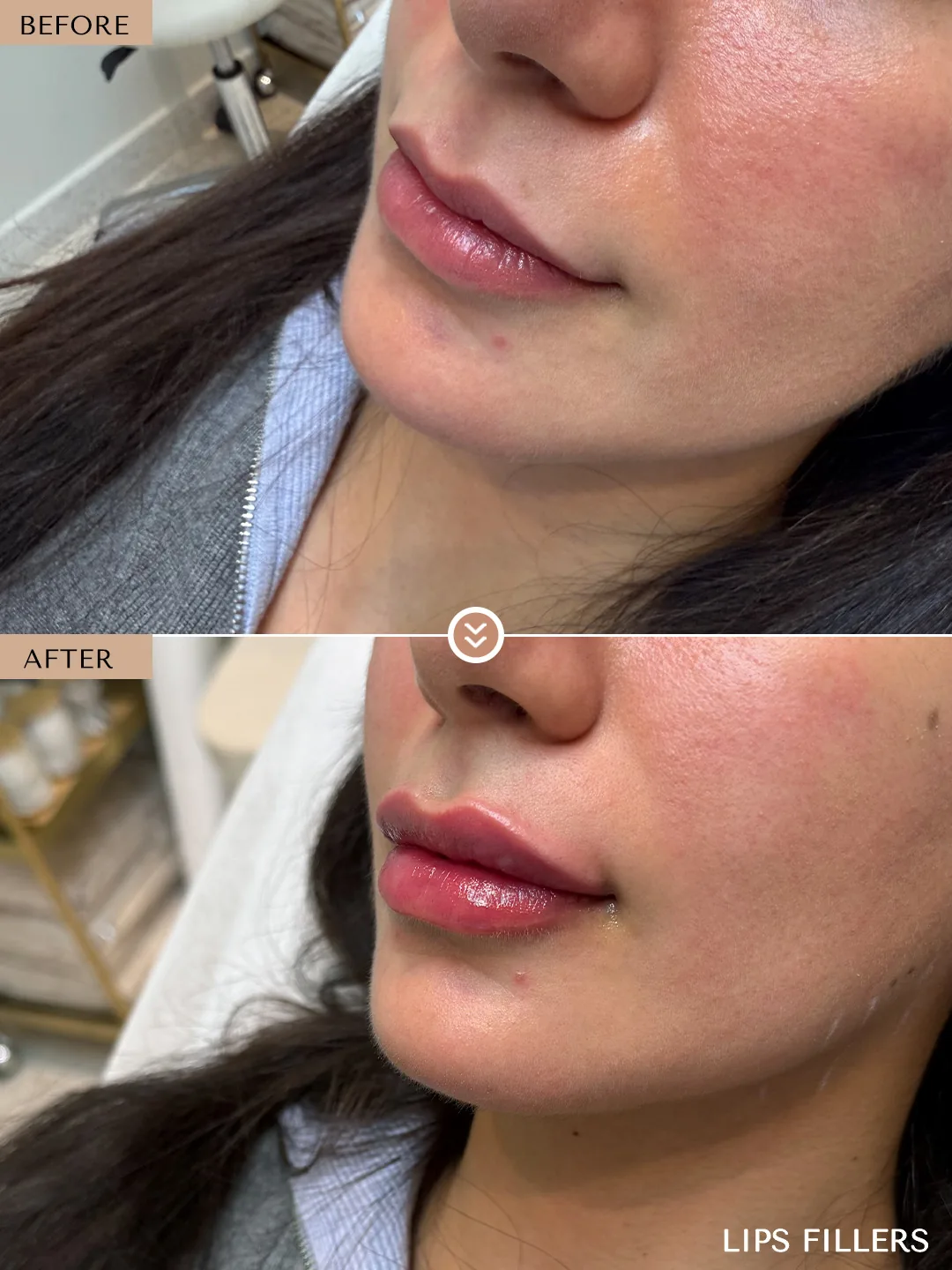
Individual results vary. Photographs are of Dr. Nivine’s own patients, shown with written consent and unretouched.
Planning focuses on the existing cupid’s bow, philtral columns, vermilion border, lip height, smile movement and previous filler. The technique is adapted to the existing anatomy rather than drawing the same M shape on every patient.