The order in which a face ages
Bone, fat, muscle, skin — and why a treatment plan that follows the same sequence needs less product and holds its shape longer.
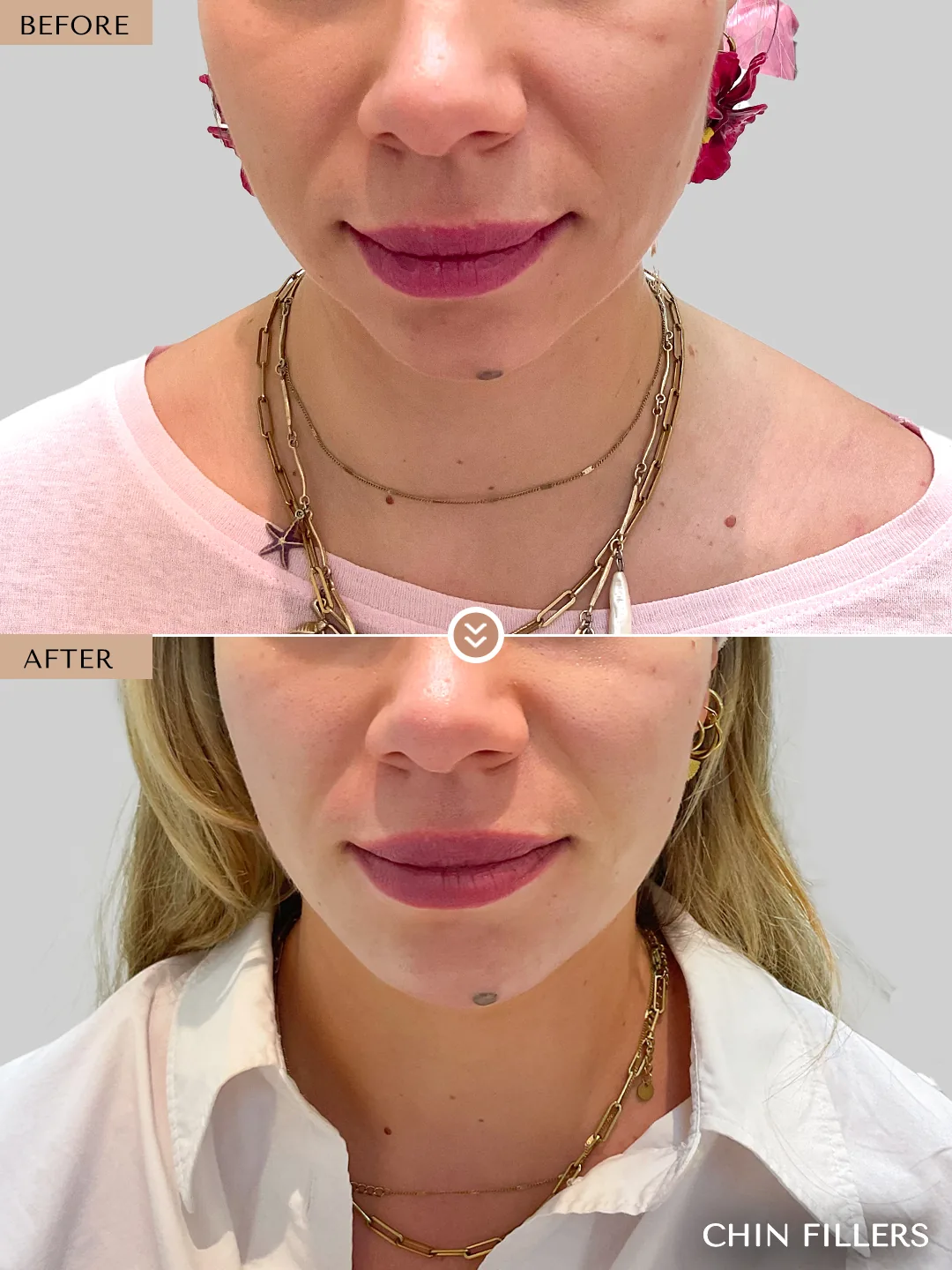
Aging is usually described as a single process happening to a single organ: the skin. That description is convenient and it is wrong, and it produces treatment plans that chase symptoms across a face for years without ever resolving the thing that started them.
Four layers, four timelines
The facial skeleton resorbs. The orbital rim opens, the maxilla loses projection, the jaw loses height and definition. This is slow, it begins earlier than most people expect, and it removes the scaffolding everything else is draped over.
The fat compartments deflate and descend. They do not simply shrink — they move, which is why the mid-face empties while the jowl fills. Treating the jowl without addressing the mid-face is treating the destination rather than the origin.
Muscle activity etches. Decades of the same expressions leave lines that are present at rest, and the downward pullers of the lower face gradually win against the elevators.
The skin loses collagen and elasticity last in visibility but continuously in reality, and it determines whether any of the work underneath it reads well.
Bone, fat, muscle, skin — and treatment should follow the same sequence.
Why the sequence matters clinically
If the scaffolding has gone and you treat the drape, you need more product than the face should carry, and it sits in the wrong plane. This is the mechanism behind faces that look progressively heavier over years of treatment despite each individual appointment being reasonable.
Restore projection where the bone has resorbed, and the tissue above redrapes. The amount required at the surface drops, sometimes dramatically. The same is true one layer up: correct volume before correcting muscular pull, because a face with restored structure needs less muscular intervention than the same face did empty.
What this looks like in a plan
Assessment starts at the chin and the mid-face rather than at the complaint. It moves to skin quality, because structure placed under poor-quality skin still reads as tired. Muscular work comes last, once the structure it acts on has been set.
In practice this means a longer plan and fewer treated areas. It means intervals of weeks between stages rather than treating everything in one appointment. And it frequently means the first thing treated is not the thing that prompted the call.
The uncomfortable part
Following the sequence sometimes means telling a patient that the treatment they came in for is the fourth thing on the list, not the first. That is a harder conversation than agreeing to the request. It is also the reason results hold.
Before you book.
Why treat an area I did not come in about?
Because the area you came in about is often a symptom of a structural change somewhere else. If that is the case you will be shown the assessment, not simply told.
Does this mean more treatments?
Usually fewer, spread over a longer period. Correcting the underlying structure reduces what is needed at the surface.